The company says it uses a combination of listener feedback, engagement, upload patterns, metadata and several third-party detection systems to identify likely spam. It is also monitoring mass uploads, duplicate recordings, search-engine manipulation, coordinated playlist networks and unusually short tracks. Spotify acknowledges that no single signal is conclusive and says its systems will keep changing as generative tools evolve.
The policy draws a boundary around AI rather than rejecting it altogether. Spotify has introduced credits showing which parts of a song used AI, labels thousands of artist profiles believed to represent AI-generated identities and allows those profiles to be excluded from recommendations unless listeners follow them.
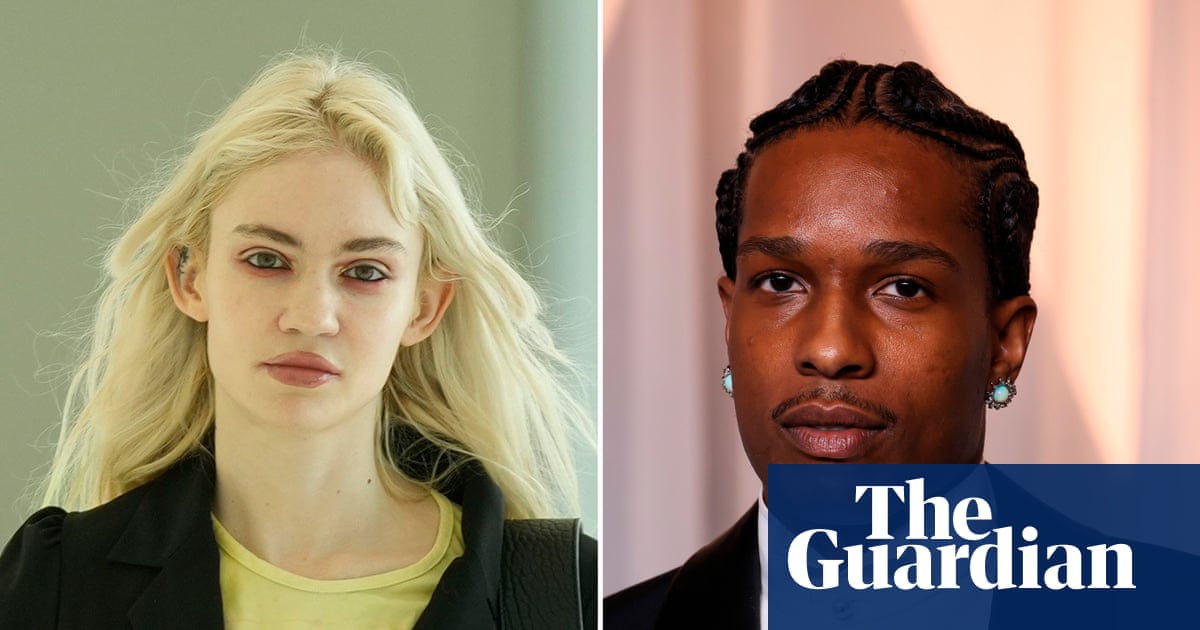
Musicians are making similarly selective distinctions. A$AP Rocky says he prefers to make music himself but accepts that fully prompted songs are other creators’ choice. Grimes has licensed her voice for AI experiments, yet describes her forthcoming album as AI-inspired rather than AI-generated and has insisted that her 70-person team receive human credit.
Listener behavior points in the same direction. Recent Billboard rankings have been led by singer-centered albums and conventional instrumentation from Olivia Rodrigo, Ella Langley, Olivia Dean, Taylor Swift, Noah Kahan and Morgan Wallen. The Beatles’ 1965 album “Rubber Soul” also reached No. 4, underscoring the continued appeal of recordings made before generative music was possible.