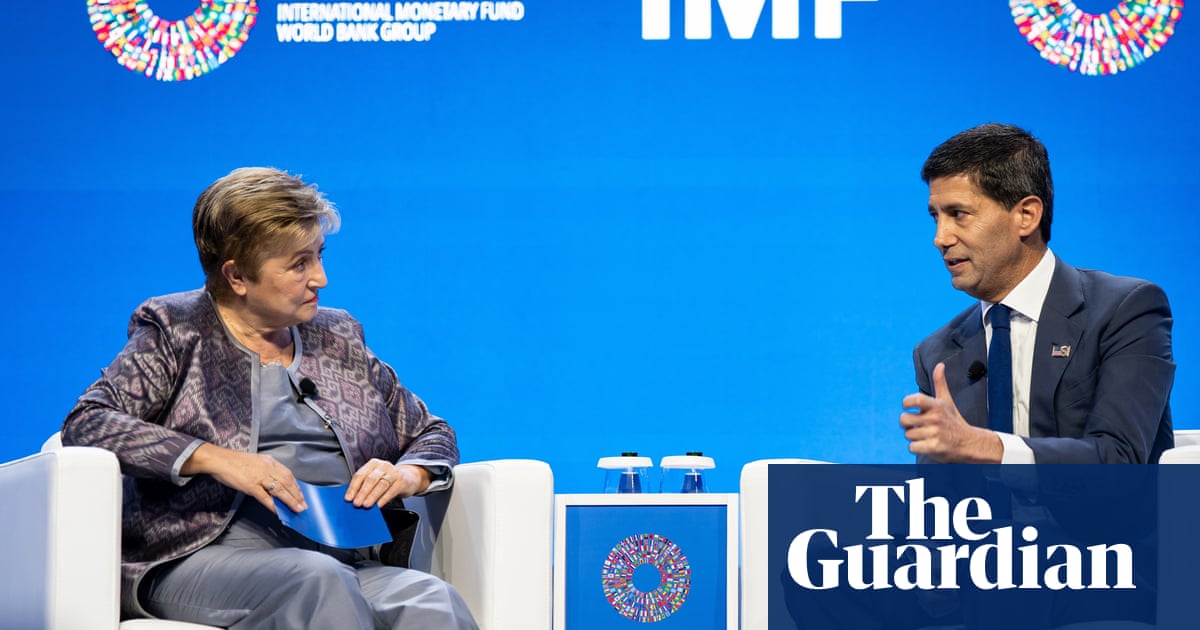
The global economy has continued expanding despite war, higher energy prices and repeated shocks, but policymakers meeting in Bangkok were warned that its resilience is beginning to run out.
The pressure is uneven. Economies closely tied to AI supply chains, many of them in Asia, are benefiting from the technology boom, as are some energy exporters unaffected by conflict. Low-income countries and fragile states that import energy or remain outside the technology boom are taking the greatest hit.
Fiscal protection has also weakened. Government debt in advanced economies are expected to rise from 108% of GDP last year to 115% within five years. Repeated shocks have consumed fiscal buffers that could otherwise have supported spending linked to ageing populations, climate pressures and national security, while higher borrowing costs and interest payments risk crowding out other priorities.
Kristalina Georgieva urged governments to increase revenues, rationalise spending and improve public financial management. She said energy and fiscal buffers were being depleted and inflation remained stubbornly high in many places, calling for urgent repairs to public finances and targeted support for vulnerable people rather than broad efforts to suppress prices.
The AI boom is supporting growth but also creates concentrated financial risks. AI supply chains depend on a limited number of countries, sectors and firms, leaving potential chokepoints. Financial officials warned that an AI-related market correction, rising bond yields or cyber threats could tighten financial conditions and intensify vulnerabilities that remain unresolved.
The immediate market backdrop has already shown signs of strain. Bonds issued by data-centre company CoreWeave fell close to distressed levels, while higher expectations for US interest rates followed September increases in consumer and factory-gate inflation. The Nasdaq fell 2% between Monday and Thursday.
The meetings also highlighted the difficulty of coordinated action. No communique followed the G20 gathering. The United Kingdom is due to hold the G20 presidency next year and has said AI regulation and international development will be priorities, but the lack of agreement in Bangkok showed how difficult it will be to rebuild a common approach while governments face competing domestic pressures.