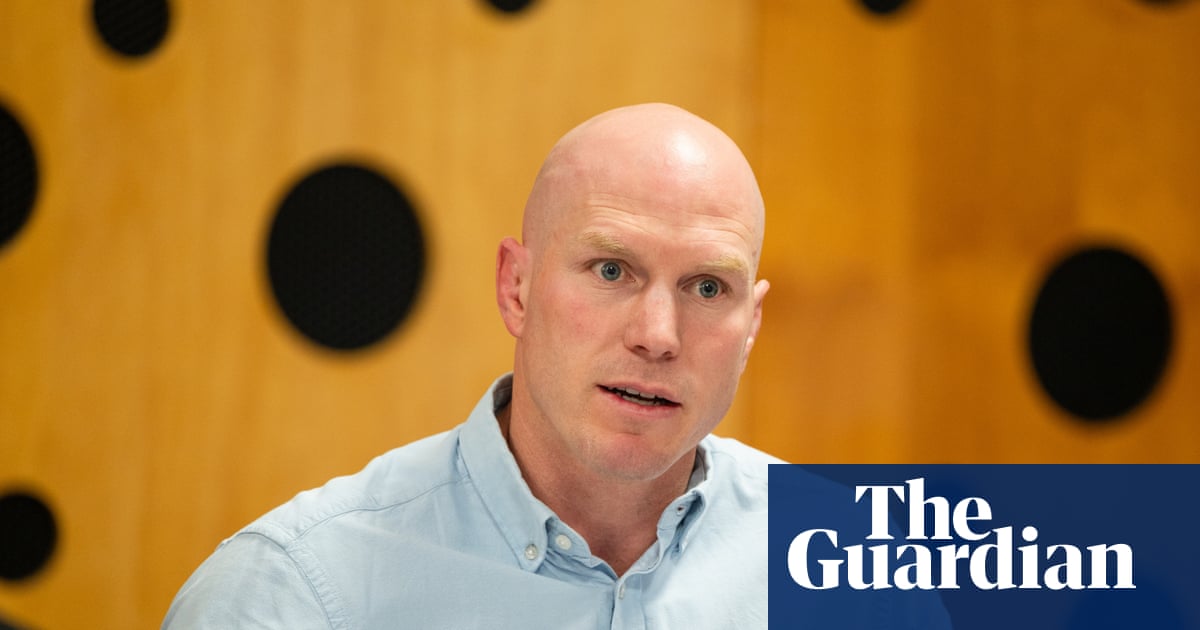
A bipartisan parliamentary committee’s early advice on artificial intelligence has triggered a dispute over whether the prime minister’s office influenced its wording before the letter was sent to Anthony Albanese. Independent senator David Pocock said document markups showed a senior adviser had reviewed and approved parts of the draft, leaving little time for committee members to consider changes.
The letter was sent on Monday night by committee chair Jo Briskey and deputy chair Jonno Duniam on behalf of Labor, Coalition and crossbench members. Notes show edits were made as late as 8: 55pm, about 35 minutes before it was sent. Pocock, who had been asked to provide feedback, submitted his edits at 9: 55pm without knowing the letter had already gone out.
The advice covered copyright, safeguards for advanced AI systems, sovereign capability and AI literacy. It also proposed independent safety checks for major AI companies, early access to new models for security agencies, reserved computing capacity for national security and research, stronger oversight of sensitive government data, and national standards for data centres.
Pocock said the letter did not reflect the full range of evidence presented to the inquiry. He said it omitted concerns from creative groups about copyright, the possibility of a levy on data centres, retraining for workers whose jobs are displaced by AI, and immediate mandatory screening of genetic-synthesis imports at Australian borders.
Briskey rejected the suggestion that the committee’s work had been predetermined. She said the chair had consulted both the prime minister’s office and the opposition leader’s office and described the letter as an indication of the committee’s direction before its final report, due on 30 November. Duniam also denied interference, saying the process involved discussion and consultation rather than government guidance.
The government has indicated it hopes to introduce that legislation by the end of 2026 and pass it in early 2027. The committee has also called for an ongoing parliamentary body to monitor AI rules and review serious incidents, including cyber events and unintended actions by AI agents.
The disagreement leaves the committee’s final report as the next formal test of whether the early bipartisan position represents a durable consensus. Albanese’s office did not comment on the disputed edits.