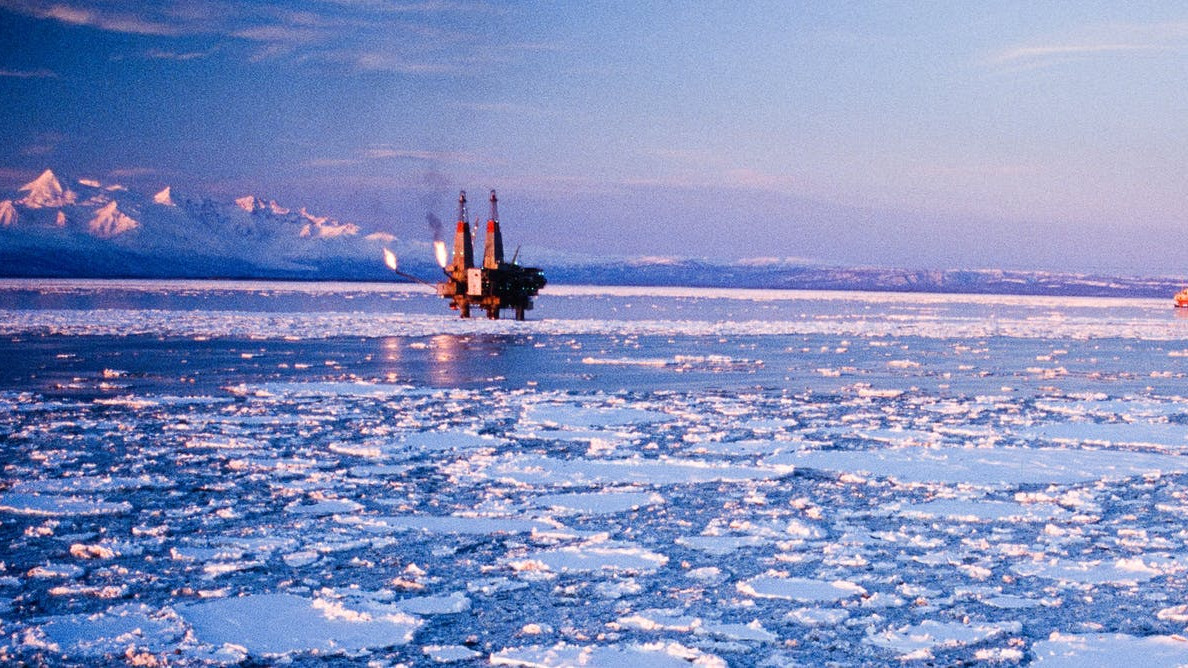
The strategy keeps the bloc’s position that Arctic fossil fuels should remain undeveloped and says the EU will not drill for oil or gas or buy fossil fuels extracted in the region. The restriction remains a non-binding political commitment rather than a new legal prohibition.
EU foreign-policy chief Kaja Kallas said the Arctic had become a frontline of global power competition since the bloc’s previous strategy in 2021. The document identifies Russia’s expanded military presence, GPS interference, drone incursions, threats to undersea cables and activity by Russia’s shadow fleet as security concerns. It also points to China’s growing interest in Arctic ports, minerals and critical infrastructure.
The strategy calls for stronger surveillance through the EU’s Copernicus and Galileo satellite systems, an Arctic cable hub to monitor and repair undersea infrastructure, expanded icebreaker capacity and improved civilian and military transport links. It also supports work toward a secure submarine cable connecting Greenland with Europe and a maritime security hub that could track suspicious vessels, illegal fishing and pollution.
Norway has rejected any implication that Brussels can determine how it uses its continental shelf. Energy Minister Terje Aasland said Norway would continue developing Barents Sea resources regardless of the EU’s position and argued that continued activity serves both Norwegian and European interests. Oslo’s policy submission says almost two-thirds of Norway’s undiscovered petroleum resources are expected to lie in the Arctic part of its continental shelf and that a possible EU moratorium would not affect Norway’s sovereign rights under the UN Convention on the Law of the Sea.
The disagreement leaves the EU pursuing closer Arctic security cooperation with Norway while maintaining a climate-based barrier against new Arctic hydrocarbons. Norway says the Barents Sea areas opened to petroleum activity are ice-free and comparable with conditions farther south, while Brussels says new Arctic fossil-fuel development conflicts with its climate objectives. The strategy therefore expands the EU’s role in Arctic surveillance, transport and resilience without resolving the underlying dispute over whether new Norwegian production should be treated as an energy-security asset or excluded from Europe’s future energy system.