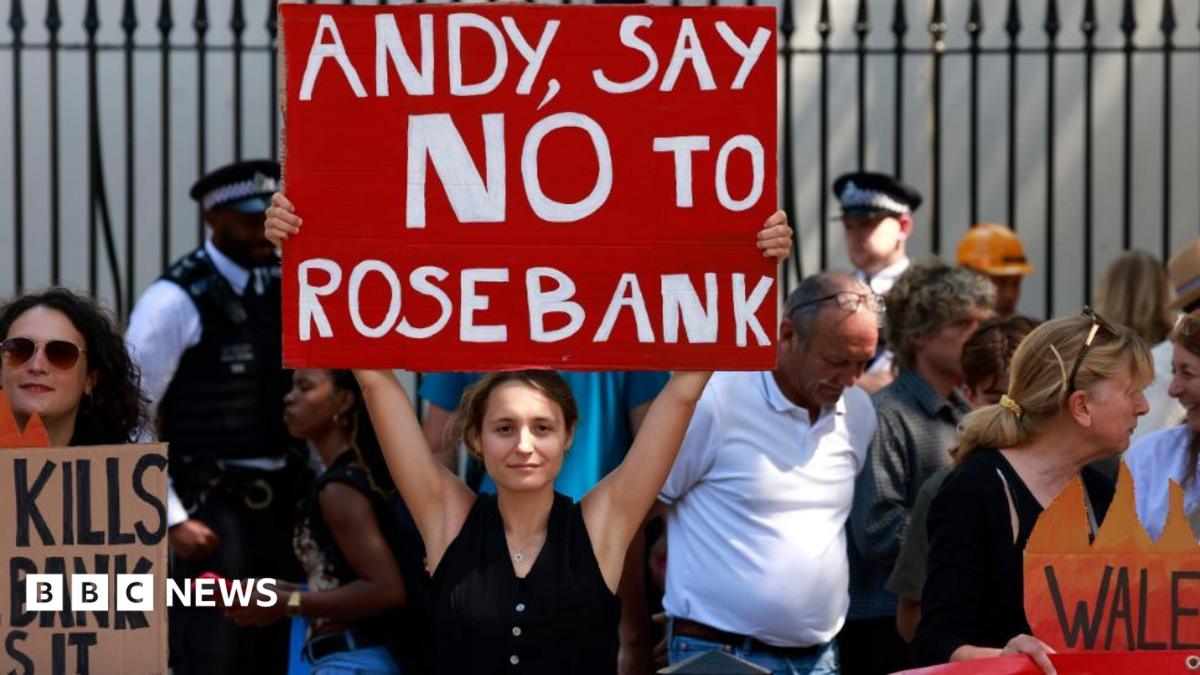
The UK has approved the start of production for the Jackdaw gas field in the North Sea, marking a significant step in the country's energy strategy. However, the decision on the Rosebank oil field off Shetland remains pending, with the regulator still reviewing the project. The Rosebank, Britain's largest untapped oil field, is scheduled to come online by 2027 if approved, and could produce up to 500 million barrels of oil over its 25-year lifespan. Both fields are operated by Adura, a joint venture between Equinor and Shell, and are part of a broader debate over UK energy policy.
The UK government has granted licenses for both fields, with the Jackdaw project approved after legal challenges from environmental groups. Industry bodies argue that the fields could provide jobs and enhance energy security, especially as overseas conflicts threaten supply. However, environmentalists warn that new drilling would be unconscionable, arguing that transitioning to greener technologies is better for long-term sustainability.
The debate over the fields highlights the tension between economic interests and climate concerns. While the UK government claims the fields will contribute to energy security and tax revenues, critics argue that the projects would delay the transition to renewable energy, which is essential for combating climate change. The environmental impact assessments for both fields have been scrutinized, with concerns over the carbon emissions they would generate. Despite these concerns, the UK continues to explore oil and gas as part of its energy strategy, balancing economic benefits with environmental responsibilities.