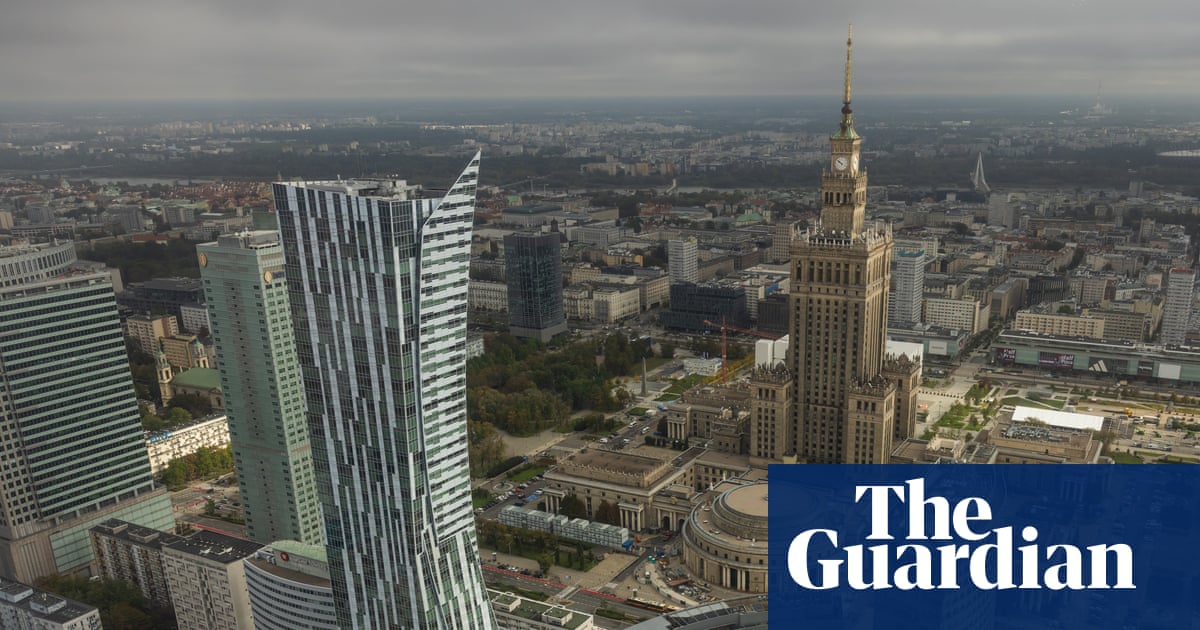
The skyline of Warsaw has transformed from a symbol of Soviet oppression to a beacon of economic progress, as Poland moves closer to becoming one of Europe's top 20 economies. The Varso Tower, the tallest building in the EU, stands as a testament to this shift, with its 310-meter spire rising above the Stalin-era Palace of Culture and Science. This transformation is part of a broader trend where Poland, once a net exporter of skilled workers, is now attracting more international talent than it sends abroad.
The brain drain that plagued Poland for decades—where Poles emigrated to countries like the UK and Germany for better opportunities—has reversed. In 2024, Germany recorded more non-Germans moving to Poland than the other way around, a first in recorded history. This shift is driven by Poland's economic growth, rising wages, and investment in technology and infrastructure.
The country's economic ascent is marked by increased productivity, higher wages, and a focus on knowledge-intensive services and high-value manufacturing. Despite challenges like political tensions and regulatory hurdles, Poland's leaders and business leaders are emphasizing the need for innovation and efficiency. The gaming company CD Projekt Red, based in Praga, exemplifies this shift, as it now competes globally to attract top talent, reflecting a broader change in Poland's economic and cultural confidence.
The country's journey from a communist state to a modern economic power is a story of resilience and transformation, with the potential to reshape Europe's economic landscape.