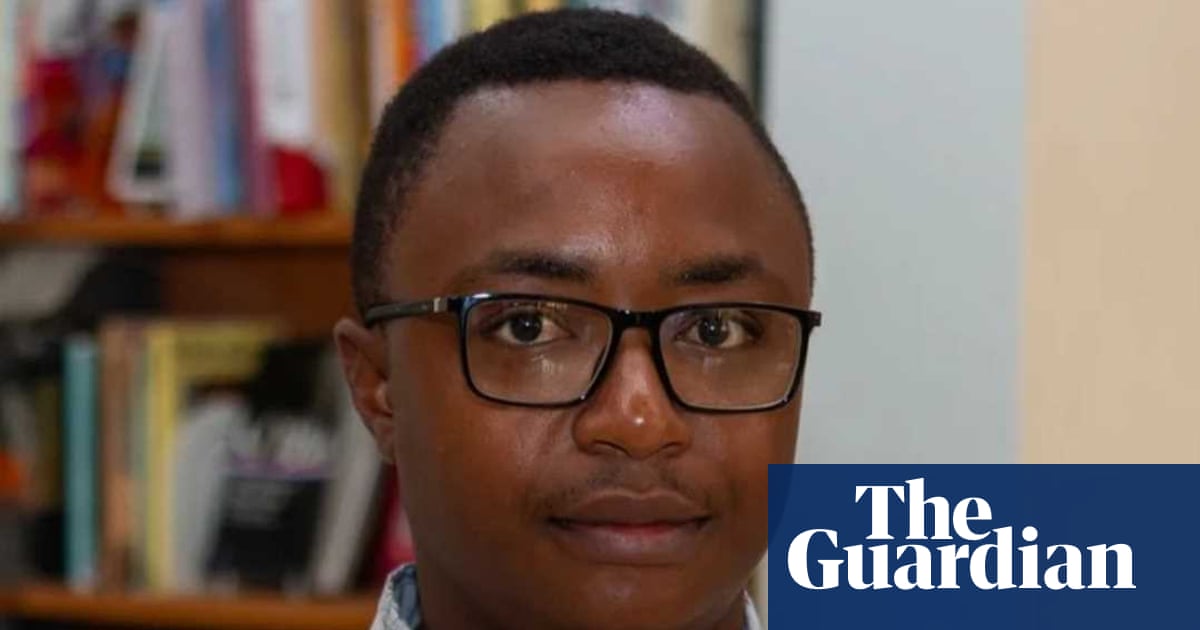
Zimbabwean writer Simbarashe Kundizeza has denied using generative artificial intelligence to write “The Blue Fighter, ” days after the short story won the 2026 Caine Prize for African Writing.
The dispute began after an assessment by Pangram, an AI-based detection tool, classified almost all of the story as AI-generated, apart from an epigraph attributed to an unpublished poem by South African writer Vangile Gantsho. The assessment was cited alongside stylistic criticisms including frequent metaphors, aphoristic statements and repeated “not this, but that” constructions.
Kundizeza said he was the sole author and that the story had passed through ordinary editorial processes. He described it as a deeply personal work shaped by his family’s experiences during Zimbabwe’s economic turmoil, and rejected the suggestion that a writer cannot substantially change style or improve over several years.
The Caine Prize has begun a review and said it would use a human-centered process. Organizers have not withdrawn the award or announced a finding. The review is expected to consider material supplied by Kundizeza, including earlier drafts, while also consulting the judging panel and the publication that first carried the story.
The prize’s official description presents “The Blue Fighter” as the story of a boy whose family faces financial hardship after his father leaves his profession to pursue building fish tanks. Kundizeza has said he has documentation covering the story’s inspiration, research and development.
The dispute has also raised questions about the reliability of AI-detection systems. The software’s creator has cited internal research reporting few false positives, including among non-native English writers, and a peer-reviewed study that found strong accuracy in tests involving academic papers produced with varying levels of AI assistance. The author of the assessment acknowledged that independent research on the tool remains limited, leaving the authorship question unresolved while the prize review continues.