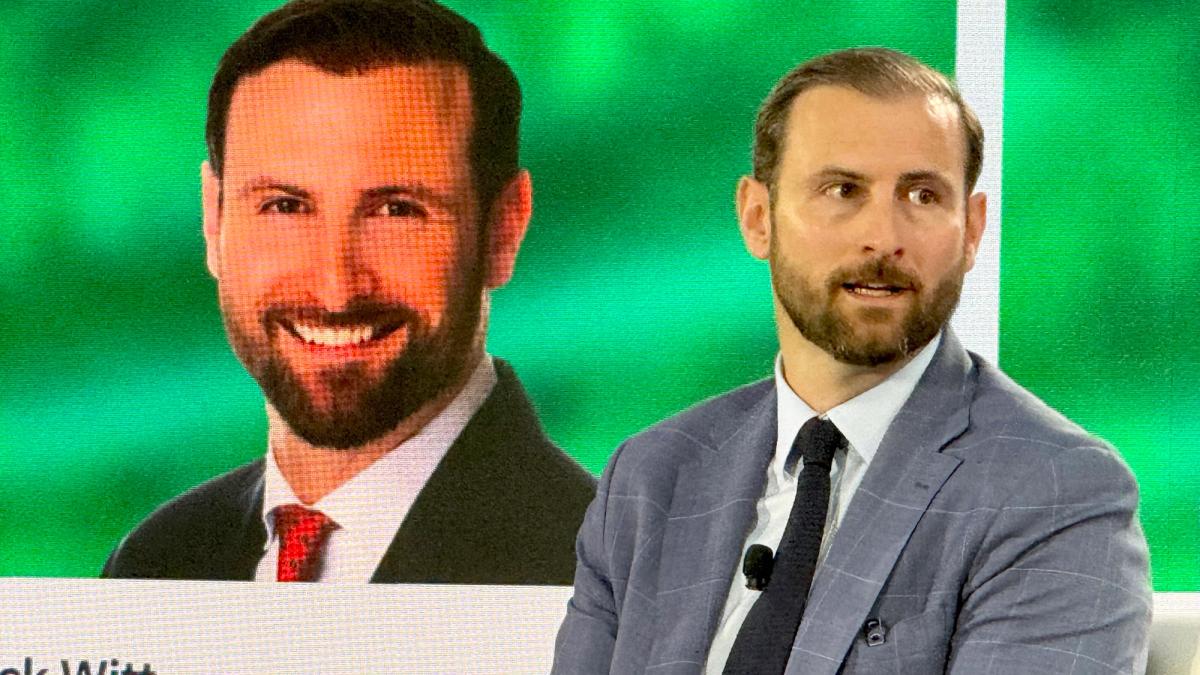
Patrick Witt has left his post as executive director of President Donald Trump’s Crypto Council, leaving the White House without a publicly identified official overseeing its digital-asset policy. The administration said Witt’s temporary assignment had expired, praised his service and did not identify a replacement, while maintaining that crypto and the stalled Clarity Act remain priorities.
Witt’s departure follows the collapse of the Senate’s first procedural attempt to advance the Digital Asset Market Clarity Act. Disputes included ethics provisions involving Trump’s crypto holdings, stablecoin rewards, state authority and the enforcement powers available under the bill.
The White House’s crypto operation began before Trump returned to office, when he selected former PayPal executive David Sacks as his AI and crypto czar. Bo Hines later became the first director of the digital-assets council and helped deliver the GENIUS Act, which Trump signed in July 2025. That law created federal rules for payment stablecoins, including full reserve backing, monthly disclosures and anti-money-laundering obligations.
Hines left the council in 2025 and later joined stablecoin issuer Tether. Witt, who had served as Hines’ deputy, then became the administration’s principal negotiator on the Clarity Act. Sacks left in March, and Witt’s deputy, Harry Jung, departed in July. Witt had also postponed planned Georgia Army National Guard training so he could continue working on the legislation.
Witt confirmed his departure in a post on X and said he would move into the private sector. Industry representatives credited him with helping bring lawmakers and competing interests into negotiations.
The change comes as Trump has placed renewed emphasis on artificial intelligence. He named National Intelligence Director Jay Clayton to lead a new Super Intelligence Force, alongside officials from the Federal Trade Commission, Defense Department and Office of Personnel Management. The new assignment is focused on artificial intelligence and does not include the crypto responsibility once attached to the administration’s combined AI and crypto czar role.
The Senate’s September vote and the loss of the council’s last remaining staff director leave the Clarity Act’s immediate prospects uncertain. Any further congressional action would have to come after the Senate returns from its pre-election break, while federal regulators continue to hold responsibility for digital-asset oversight.