Cryptocurrency has entered the 2026 midterm conversation mainly as an accusation about political influence, even as the industry’s own advertisements largely avoid mentioning digital assets. Democratic candidates are instead linking crypto spending to President Donald Trump, corporate power and alleged corruption as voters prepare for the Nov. 3 elections.
Sherrod Brown has made the spending against him central to his campaign against Republican Sen. Brown said crypto and data-center interests had committed roughly $40 million against him and argued that the groups were trying to buy Husted’s Senate seat because Brown would hold them accountable.
The spending has continued without openly advertising crypto policy. Fairshake-backed advertisements supporting Husted or attacking Brown have focused on biography, taxes and other political issues, while campaign-finance records show major financial support from Ripple and Coinbase.
The same strategy produced a backlash in Florida. An affiliated committee spent more than $2 million opposing Democrat Oliver Gilbert in the primary for Florida’s 24th Congressional District, despite no candidate having made digital-asset policy a major campaign issue before the spending began. Gilbert won and responded by accusing Trump-aligned crypto donors of targeting him with misleading advertising, saying he would fight crypto scams affecting older Americans. Minnesota Senate candidate Peggy Flanagan and Illinois Senate candidate Juliana Stratton also highlighted attacks funded by crypto-aligned groups during their primary campaigns.
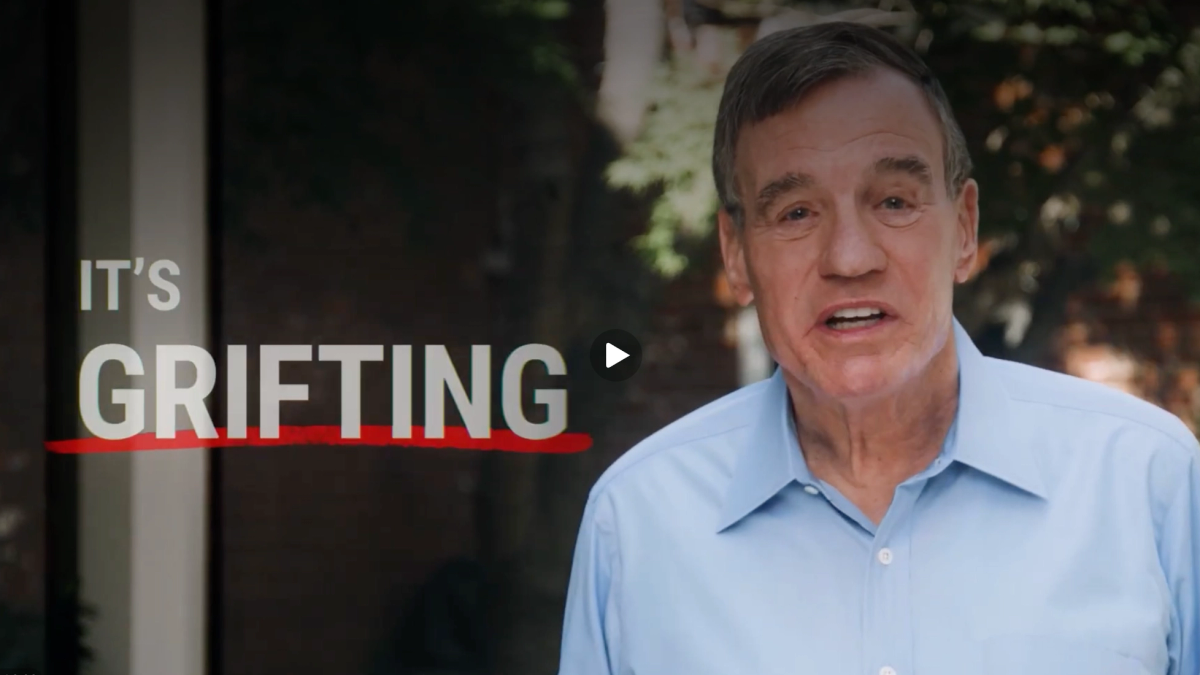
Mark Warner of Virginia has used a different version of the attack, tying Trump’s personal crypto earnings to broader accusations of self-dealing. A Warner campaign advertisement said Trump had made hundreds of millions of dollars from a crypto memecoin and characterized that activity as corruption. A poll cited in the campaign debate found 88% of respondents were at least very concerned about government corruption, while a separate survey found crypto ranked low among voters’ priorities and that many did not trust the administration to oversee digital assets.
The political fight has complicated the industry’s legislative goals. Senate Democrats said the market-structure bill did not impose adequate ethics restrictions on Trump’s crypto interests, and the measure failed to advance in September. The Blockchain Association said it would continue seeking rules that do not depend on which party controls the White House or Congress. If Democrats win one or both chambers in November, crypto lobbyists could face a more difficult path to legislation, while Brown’s return to a powerful Senate committee could intensify opposition to the industry’s preferred policies.