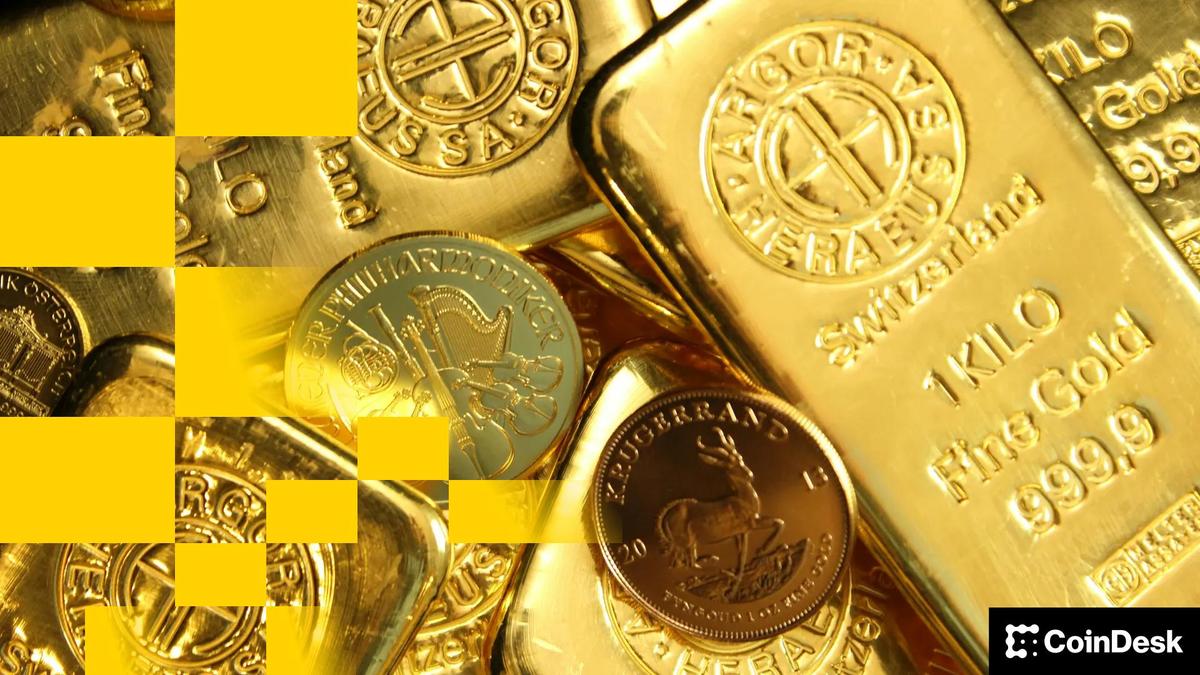
Gold and bitcoin are increasingly being framed as complementary ways to hedge against currency debasement, even though neither asset has reliably served as a safe haven during broad market selloffs. The distinction matters: protection against falling stock and bond prices are not the same as preserving value against a weakening currency.
A 2025 study in Resources Policy examined developed- and emerging-market equities, bonds, commodities, energy and crypto using multifractal cross-correlation analysis. That finding concerns market-drawdown behavior, while the portfolio argument for the two assets rests on their limited supply and independence from a government’s promise to pay.
Gold has a much longer record and a more established financial framework. It has functioned as a reserve asset for thousands of years, while bitcoin has only about 17 years of trading history. Central banks can already hold gold through established custody, legal and reserve systems; bitcoin’s access route for institutions is newer, with spot exchange-traded funds helping solve custody but not giving it the same sovereign-reserve status.
Recent reserve activity illustrates the gap. Central banks bought 244 metric tons of gold in the first quarter of 2026 and a record 289 metric tons in the second quarter. Bitcoin, meanwhile, is being added to institutional portfolios through investment products and market infrastructure that remain less mature. Gold’s advantage is therefore operational as much as historical, while bitcoin offers a more volatile and still-developing expression of the same scarcity-based thesis.
The broader market is building around that institutional divide. Thailand’s rules taking effect Oct. 16 will allow domestic asset managers to launch single-asset bitcoin and ether funds if at least 80% of assets track one of those tokens and regulated custodians hold them.
The practical conclusion is not that gold and bitcoin have identical defensive properties. Gold has lower volatility, deeper reserve-market acceptance and a longer record; bitcoin remains more speculative and can suffer larger declines. Holding both is therefore a portfolio-construction choice built around different stages of the same debasement thesis, not proof that either asset will protect investors in every crisis.