Tether CEO Paolo Ardoino says the company’s sanctions work helped reduce Iran-linked USDT activity, challenging a Senate investigation that accused the stablecoin issuer of supporting Iran’s shadow banking network. Ardoino said Tether froze suspicious wallets an average of four weeks before formal designations by the U.S. Treasury’s Office of Foreign Assets Control or Israel’s National Bureau for Counter Terror Financing, and before Chainalysis labeled the addresses in 99% of the cases he cited.
He also said Tether’s goal was to remove bad actors from USDT, while acknowledging that some of those actors were moving to payment methods beyond the company’s control.
Its findings said Tether had not frozen or destroyed funds in some wallets that moved millions, tens of millions or hundreds of millions of dollars connected to terrorist financiers and other illicit actors, particularly before 2024.
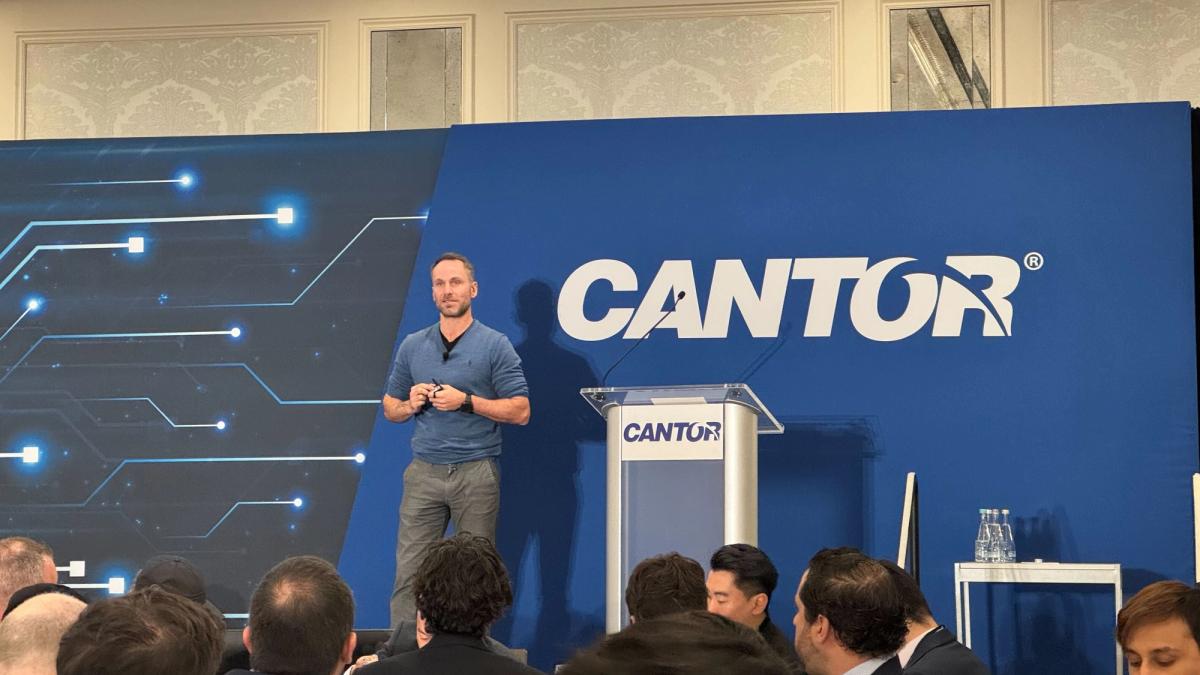
The dispute has expanded to Tether’s relationship with Cantor Fitzgerald. Senator Richard Blumenthal asked Chairman Brandon Lutnick to provide records on the partnership’s revenue, custodial arrangements, ownership interests, audits, sanctions monitoring, anti-money-laundering controls and any review of whether the relationship should continue. The request also seeks records concerning Howard Lutnick, who transferred control of Cantor Fitzgerald to his adult children after becoming commerce secretary, and sets October 23, 2026, as the response deadline.