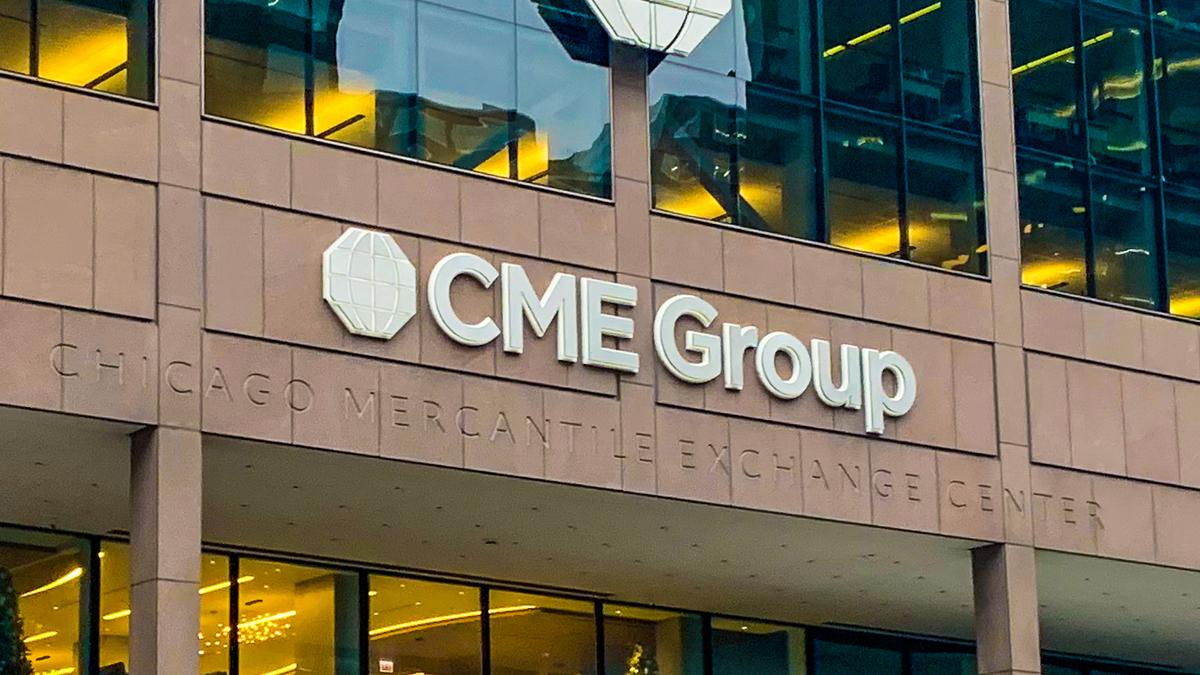
The Commodity Futures Trading Commission is asking a federal court to dismiss CME Group’s challenge to the U.S. Approval of cryptocurrency perpetual futures, arguing that the exchange has not shown an imminent financial injury. In a reply filed Oct. 16, the agency said claims of increased competition alone do not establish the legal standing required to sue. It also pointed to higher trading volumes in CME’s existing cryptocurrency futures after the policy change.
The dispute began on May 29, when the CFTC approved KalshiEX’s BTCPERP contract as a bitcoin futures product. The contract tracks bitcoin’s spot price and has no traditional expiration date. The agency said Kalshi had submitted the product for review under its voluntary approval process and concluded that it complied with the Commodity Exchange Act and the rules governing designated contract markets.
The approval was accompanied by a policy statement addressing how similar perpetual contracts could be listed. The CFTC said products involving assets outside the scope of the bitcoin approval would generally require individual review, while the agency’s broader approach opened a path for regulated U.S. The decision followed years in which most perpetual-futures trading occurred outside the United States.
CME sued in federal court on June 18, contending that perpetual contracts should be treated as swaps rather than futures because traders can hold them indefinitely. The exchange argued that the CFTC had departed from its earlier position and had allowed competitors to offer products aimed at CME’s retail customers under a different regulatory framework.
The CFTC has responded that CME is free to list comparable perpetual futures itself, making any claimed competitive injury self-inflicted. The agency also argues that CME’s existing products have not demonstrably suffered since the approval. CME has maintained that the classification question affects the legal structure of the market, while the court has not yet ruled on the agency’s request for dismissal.
The case could determine whether perpetual crypto contracts expand through the U.S. Futures system or face a regulatory framework associated with swaps. For now, the litigation is proceeding while the CFTC’s approval remains in place, leaving the status of the emerging domestic market unresolved.