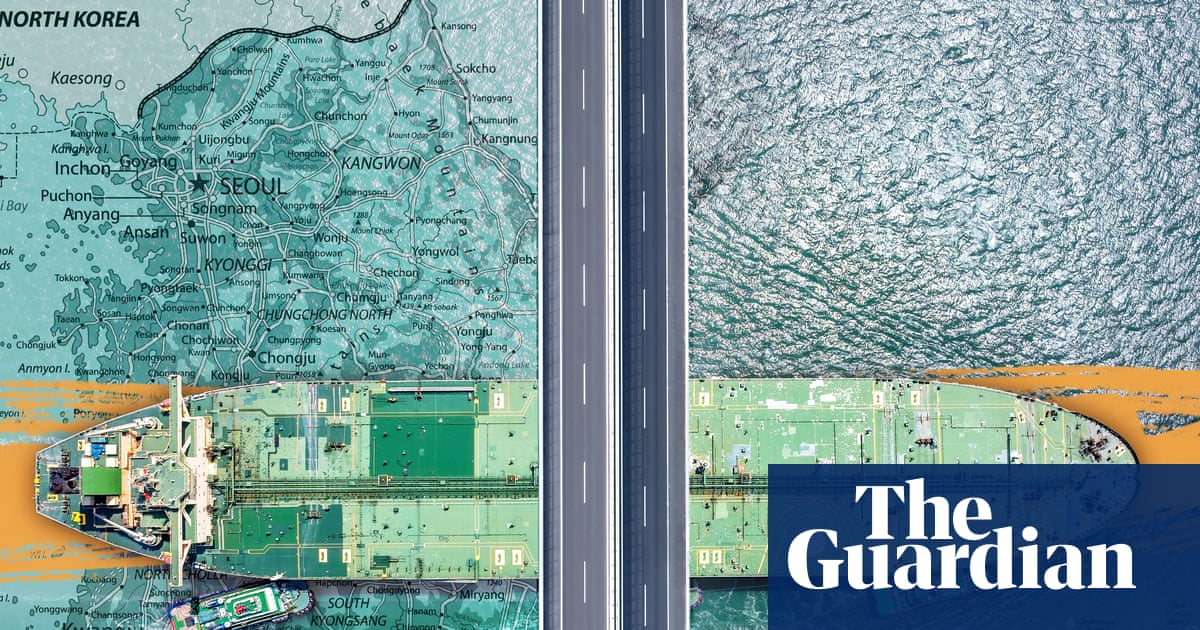
More than 176,000 tonnes of fuel, mostly diesel, was loaded at South Korean ports in July and August onto seven tankers that made 14 voyages to Russia’s far east. Three of the vessels were under UK and EU sanctions, while one received its cargo through a ship-to-ship transfer in South Korean waters, a method that can make a shipment’s origin harder to trace and avoid port terminals.
Russia imported 368,000 tonnes of oil products by sea in August, more than seven times July’s volume and the highest monthly total since the full-scale invasion of Ukraine. South Korea supplied 112,000 tonnes, or 31%, making it the second-largest source after India.
South Korea has also provided humanitarian aid and non-lethal equipment, and pledged $2. 3 billion in support in 2023, largely through loans, while ruling out direct weapons shipments.
Isaac Levi, an analyst at the Centre for Research on Energy and Clean Air, said the use of EU-sanctioned tankers to load fuel in South Korea undermined both the sanctions regime and Seoul’s support for Ukraine. The shipments therefore highlight the tension between South Korea’s assistance to Kyiv and its efforts to maintain ties with Moscow.
South Korea’s foreign ministry did not address the shipments or the sanctioned vessels. It said the government supports international efforts to end the war and has expanded export controls on Russia to 1,402 non-strategic items with high potential for misuse.
A 2025 trade association survey found that nearly 80% of South Korean companies that had stopped exporting to Russia since the war began were open to resuming trade. In March, South Korea capped exports of certain fuels and imported Russian naphtha under a US sanctions waiver. On October 1, the UK temporarily exempted South Korea’s existing gas contracts from a ban on maritime services for Russian liquefied natural gas scheduled to take effect in January 2027.