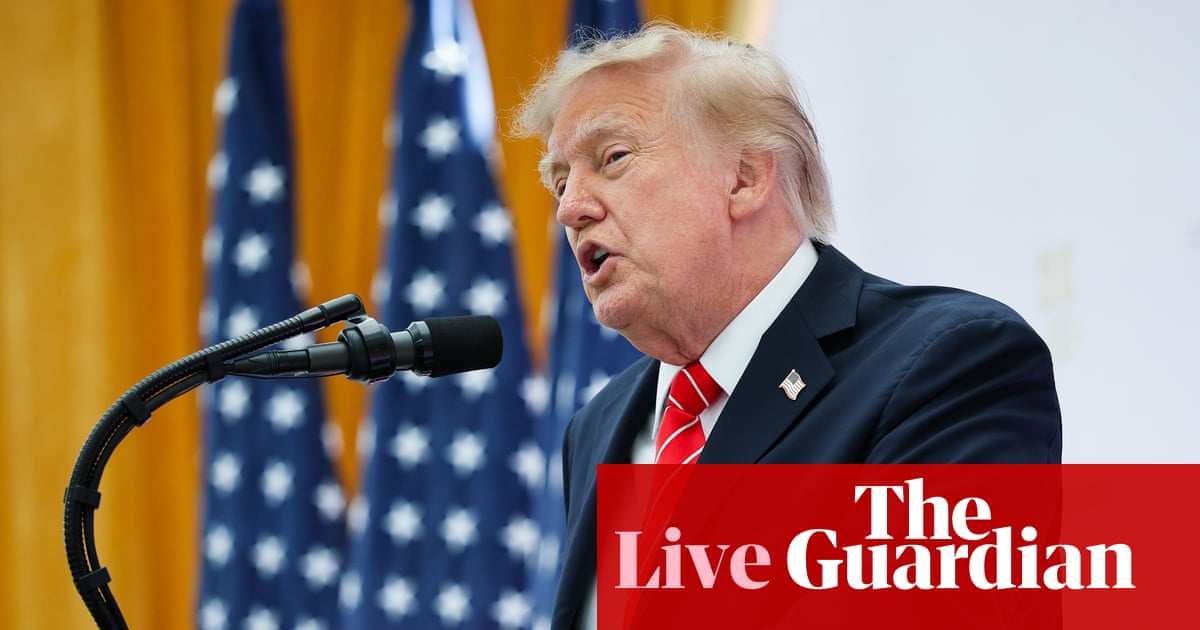
The announcement followed reports that Washington and Tehran were holding discussions, though the existing blockade remained in place and the conflict had not been resolved.
The pause eased immediate fears that renewed fighting could disrupt tanker traffic through the Strait of Hormuz. The waterway had carried about one-fifth of the world’s oil before the war, and oil shipments from Gulf countries had returned close to pre-war levels with military assistance and pipelines that bypass the strait. Overall traffic remained below earlier levels, while some tanker operators were charging as much as $1 million a day to travel under protection.
China’s decision to restart refined-fuel exports added further downward pressure on prices. Shipments had paused during the Golden Week holiday, but about 3. 7 million metric tonnes of diesel, gasoline and jet fuel had been approved for October exports. The additional supply was expected to ease tight global markets for those products, although the threat of Hurricane Isaias to U.S. Gulf Coast production provided an opposing force.
The market response came as the United States continued preparing for the possibility of renewed operations. A short-lived June agreement between Trump and Iranian President Masoud Pezeshkian had collapsed within weeks amid renewed military action and disputes over the Strait of Hormuz. Iran had received a U.S. Counterproposal, and its foreign minister said Tehran expected to respond formally within days, but major differences remained unresolved.
The broader session also included an interim European Union-China arrangement to moderate Chinese hybrid-vehicle exports to the EU, which officials said could reduce plug-in-hybrid sales by several million over four years. In London, Airtel Money began conditional trading in the biggest UK flotation in five years, but its shares fell 5. 23%, making it the weakest performer on the FTSE 100.