The UK economy grew in August despite expectations of a contraction, offering a counterpoint to a worsening global market sell-off driven by fears over artificial-intelligence valuations and renewed inflation pressure.
The expansion was uneven.
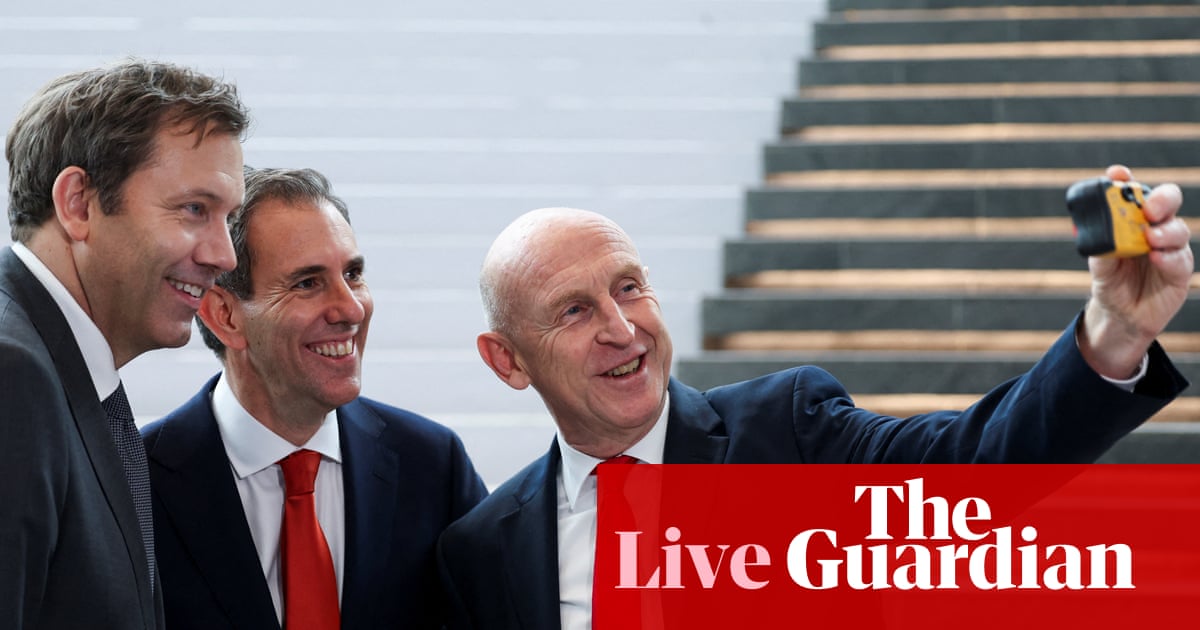
Chancellor John Healey, speaking at the IMF and World Bank meetings in Bangkok less than two weeks before the budget, said he would set out his decisions then and warned against trying to anticipate them in advance. He described banks as deeply connected to the UK economy and said his special responsibility was to protect the resilience of the economy. The comments came amid speculation about possible tax changes, including calls from some Labour MPs for higher gambling-sector taxes.
Financial markets reacted sharply to the wider inflation and technology concerns. The FTSE 100 moved in the opposite direction, gaining 1. 1% to 10,843 points, its highest level since 8 September.
AI also featured in a new pharmaceutical agreement. AstraZeneca agreed to pay California-based insitro $40m upfront, with insitro eligible for about $1. 46bn in potential development and commercial milestones plus possible single-digit royalties. The collaboration will use insitro’s Virtual Human platform and large human and cellular datasets to identify disease biology and potential targets in metabolic dysfunction-associated steatohepatitis and cardiomyopathies; AstraZeneca will hold exclusive worldwide rights to advance selected programmes.
In the media sector, the UK government said it was minded to intervene in Sky’s proposed acquisition of ITV’s media and entertainment business for up to £1. 6bn. The stated grounds include free expression, plurality of views and control of media enterprises, alongside a proposed consideration covering the availability of high-quality broadcasting and on-demand programming.